
8x
Magnification
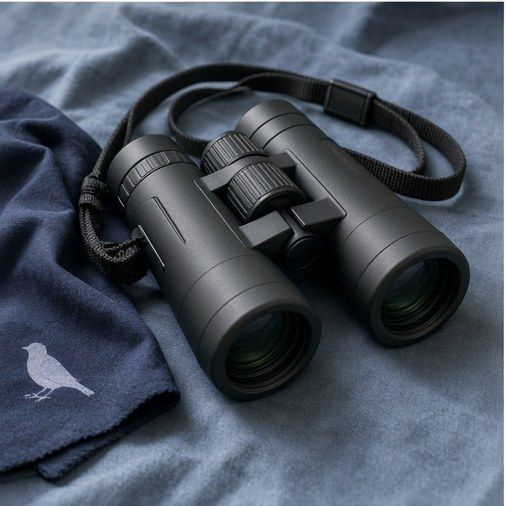
The bird looks eight times closer. 8x is steady in the hand and wide enough to find birds; 10x reaches further but shows every wobble.
A beginner’s guide to birdwatching
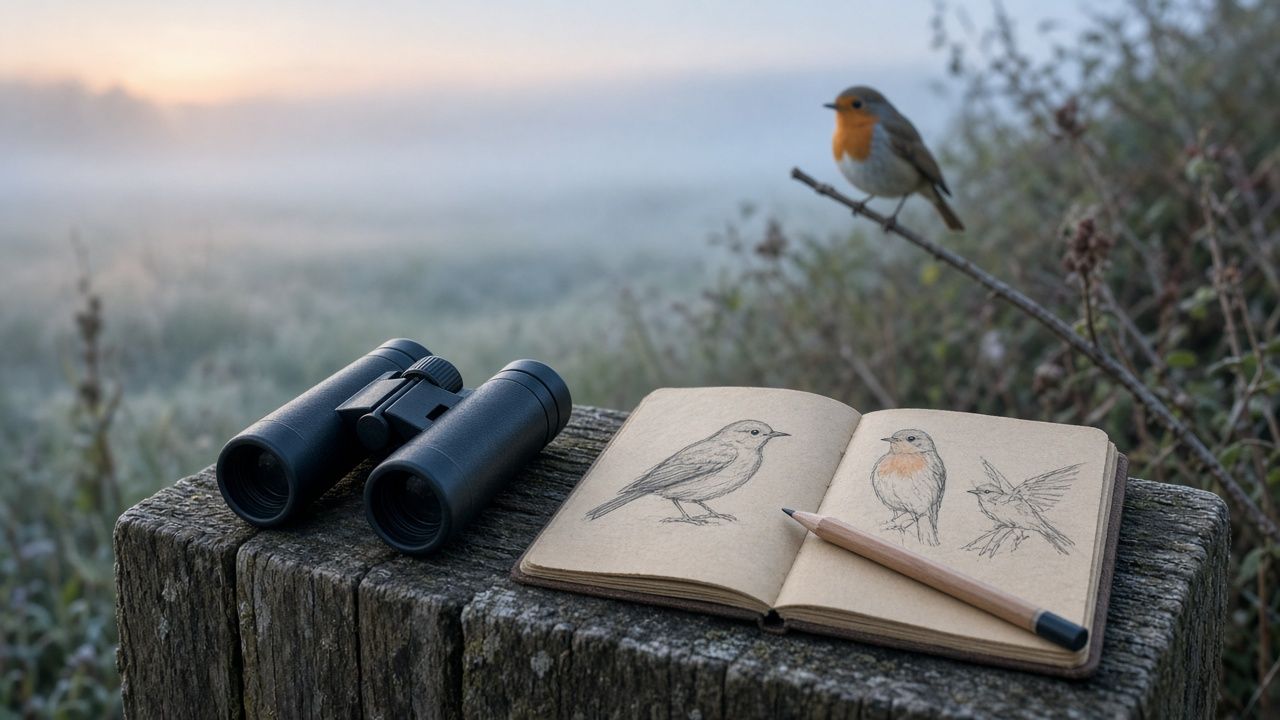
Nicole Keen is a beginner’s birdwatching guide. Start with what you already have: a window, a notebook and a little patience. Learn the clues that identify a bird, choose binoculars without overspending and make a garden or balcony birds want to visit.
Start with Bird ID BasicsThree guides
Five clues to every bird
Birders call the overall look of a bird its “jizz”: its size, shape and way of moving. Collect these clues in order and most birds narrow down to a family in seconds.
Read Bird ID BasicsCompare it with a bird you know: smaller than a sparrow, about pigeon-sized, bigger than a crow. Look at the bill, tail and legs.
Note a few bold features: a cap, an eye stripe, wing bars, a pale rump. Two or three clear marks beat a full description.
Does it hop or walk, cling to bark, flick its tail, hover, or wade? Behaviour often names the family before colour does.
Woodland, reed bed, open field, shoreline or garden. Most birds keep to the places that feed them.
Listen before you look. A short phrase in your own words, such as “teacher, teacher”, is easier to remember than a recording.
A first-week tally
Families rather than species, so the list works almost anywhere. Tick what you see this week. Ticks stay in your browser and disappear when you leave the page.
0 of 12 ticked
Reading the numbers on binoculars
8x
The bird looks eight times closer. 8x is steady in the hand and wide enough to find birds; 10x reaches further but shows every wobble.
42
Wider front lenses gather more light for dawn, dusk and woodland, but weigh more. 32 mm is lighter; 42 mm is the all-round favourite.
5.25
Lens width divided by magnification. Around 4 to 5 mm or more keeps the view bright in poor light.
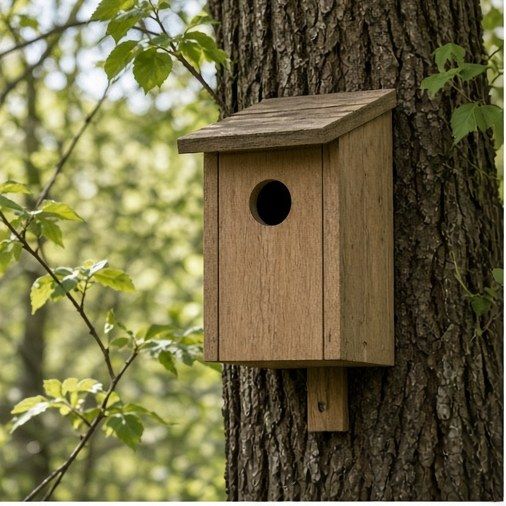
A year of watching
Seasons are reversed in the southern hemisphere, and the tropics follow wet and dry seasons instead.
Birds come first
Questions beginners ask
The three guides go into more detail.
No. Start at a window or on a bench. Binoculars help once you want to see markings, but watching behaviour with the naked eye teaches a lot.
The first two hours after sunrise, when birds are feeding and singing. Late afternoon is the next best time.
Learn one common bird at a time. When you hear it, find the singer, then describe the song in your own words. Song apps help, but always check what they suggest by looking.
Best not. It fills birds up without much nutrition. Seed mixes, sunflower hearts and clean water are better.
Most feathered young birds on the ground are fledglings, and their parents are nearby. Keep pets away and watch from a distance. If it is injured or has no feathers, contact a local wildlife rescue.
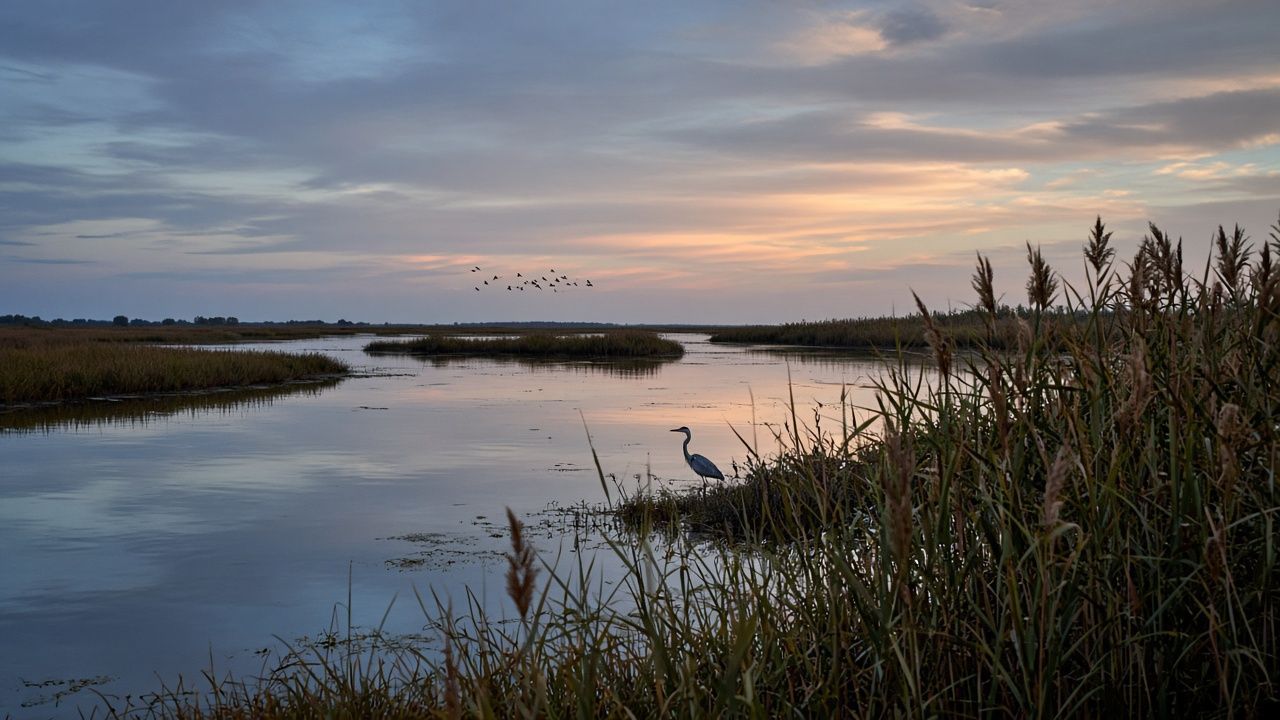
Stand still at the water’s edge, count what you see and note one thing you did not know. That is birdwatching.
Open Backyard Birds